
SEARCH WHAT YOU WANT
News
Step-by-Step: Designing Impactful Retail Packaging in China
Step-by-Step: Designing Impactful Retail Packaging in China
China’s retail market moves fast — and packaging is expected to do far more than simply protect a product.
From supermarket shelves to livestream commerce and e-commerce fulfillment, packaging now directly influences visibility, perceived value, and even purchasing decisions.
For brands entering the Chinese market, successful retail packaging must balance presentation, production efficiency, and shipping durability at the same time.
1. Understand Where Your Product Will Be Sold
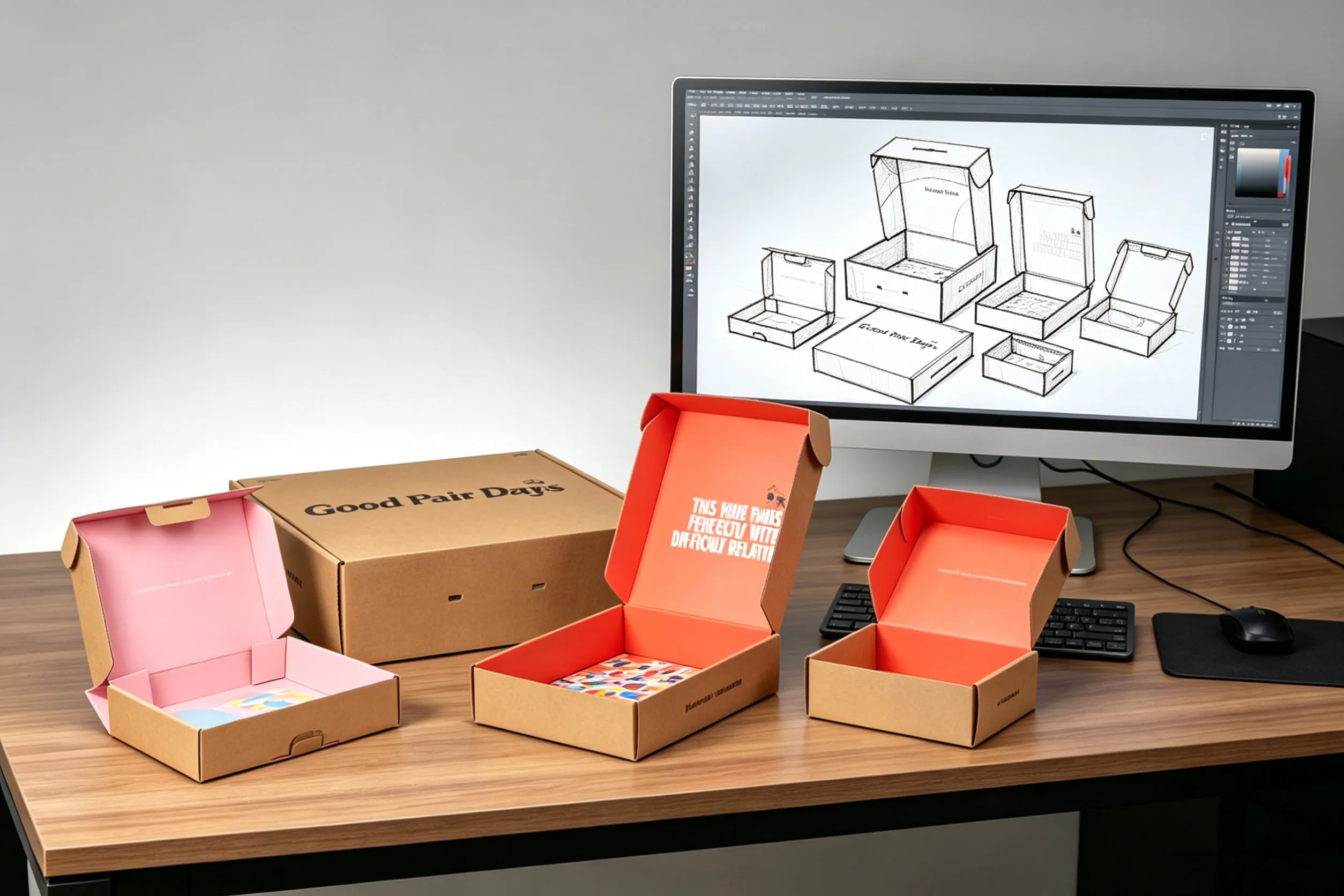
Before discussing colors, finishes, or materials, the first step is understanding the retail environment itself.
Packaging designed for retail shelves behaves very differently from packaging created for e-commerce or livestream selling.
In China, brands often sell across multiple channels simultaneously, which means packaging must balance visual presentation with transportation performance.
For example, livestream-focused packaging often uses bold contrast, cleaner typography, and finishes that respond well under lighting and cameras.
Meanwhile, retail shelf packaging usually prioritizes structure, color blocking, and visibility from a distance.
2. Choose the Right Packaging Structure
Structural design strongly affects how consumers perceive product quality.
In many retail categories, customers subconsciously associate:
- heavier packaging with higher value
- smoother surfaces with premium quality
- rigid edges with better craftsmanship
This is why material and structure selection matter just as much as graphic design.
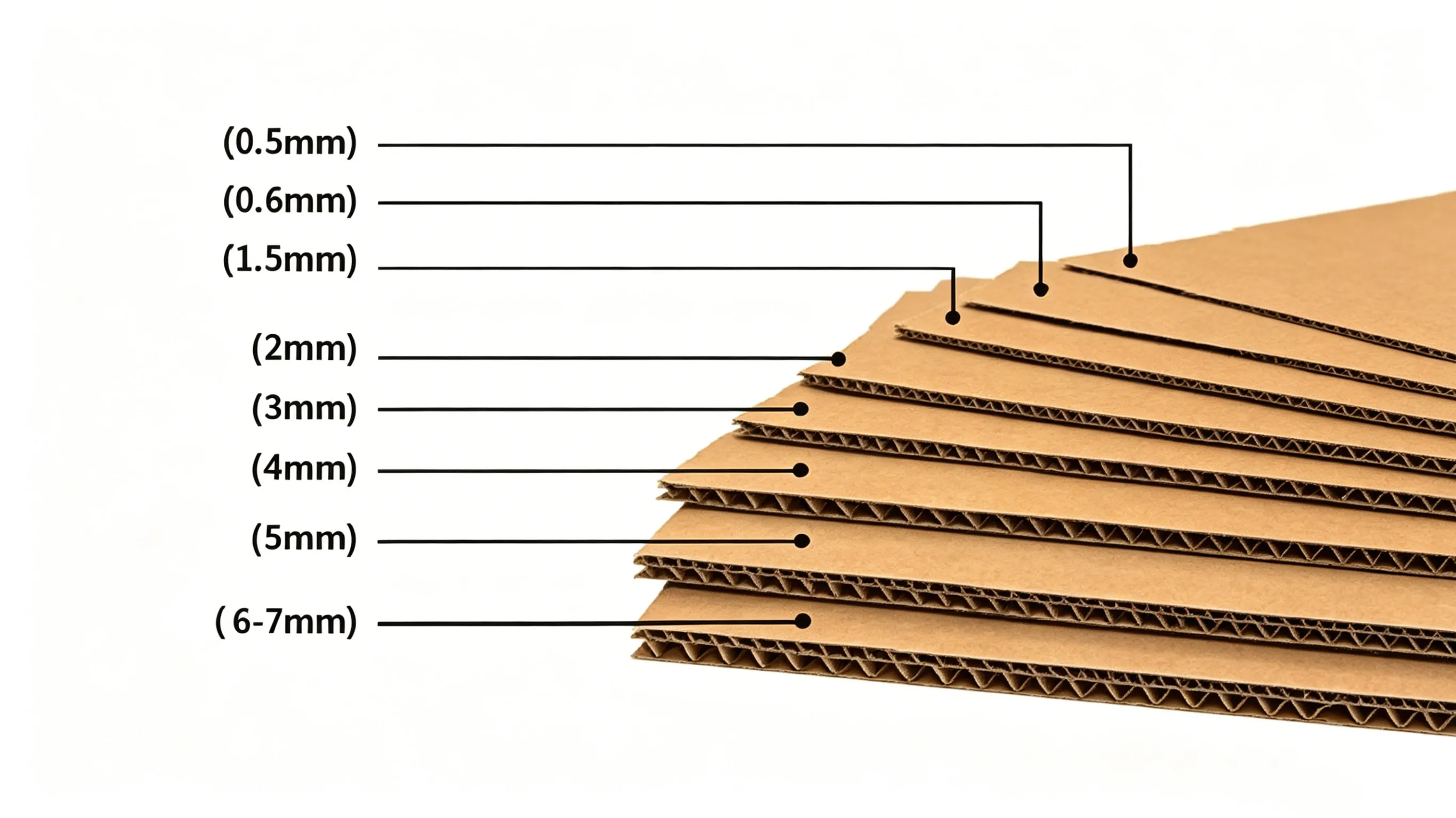
Many modern brands now choose E-flute corrugated packaging because it balances lightweight durability with premium print quality.
Common Retail Packaging Structures
3. Prioritize Print Quality and Finishing
In China’s retail market, packaging is often the first physical interaction customers have with a brand.
Small finishing details can dramatically change how packaging looks, feels, and performs on shelves or online.
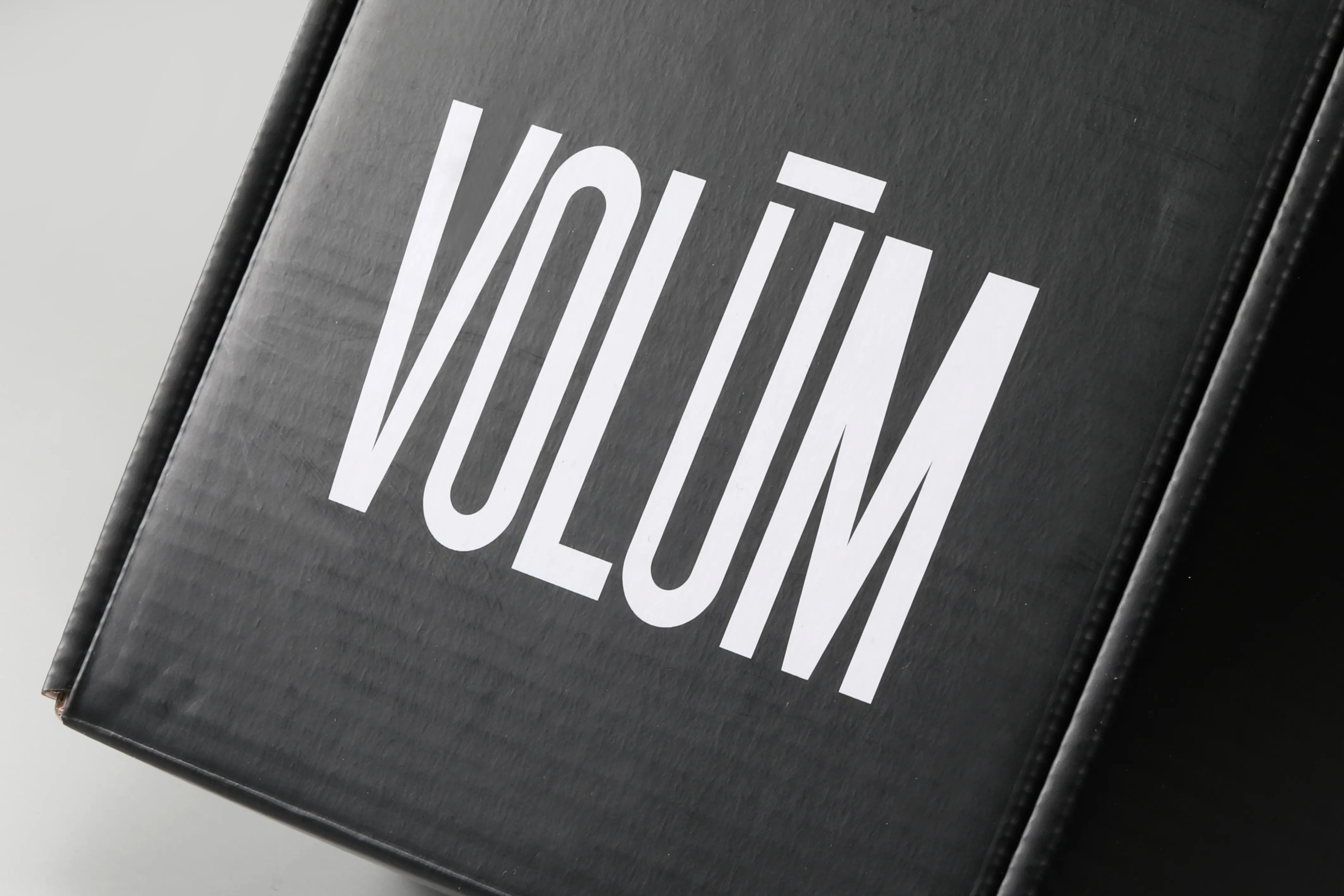
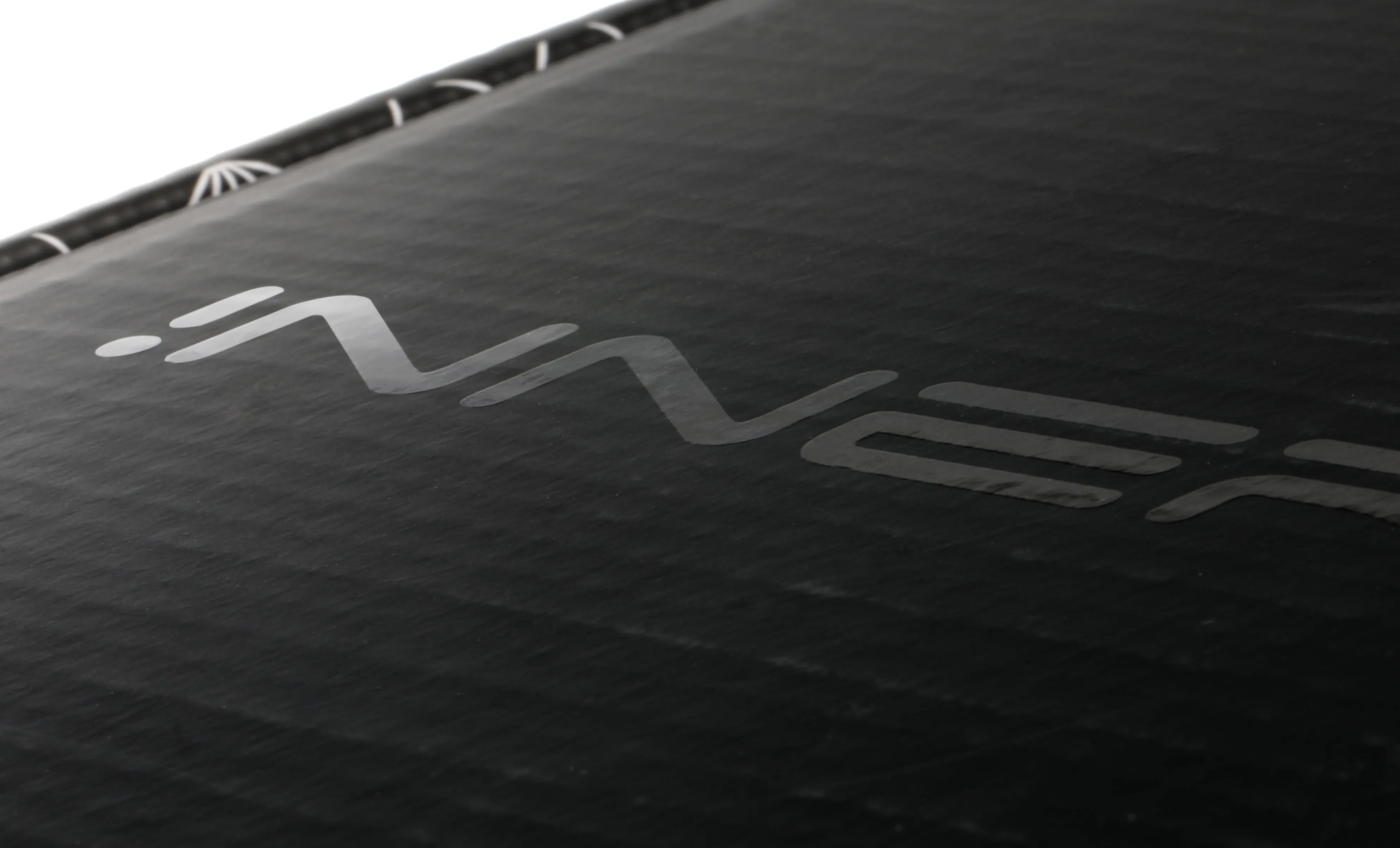
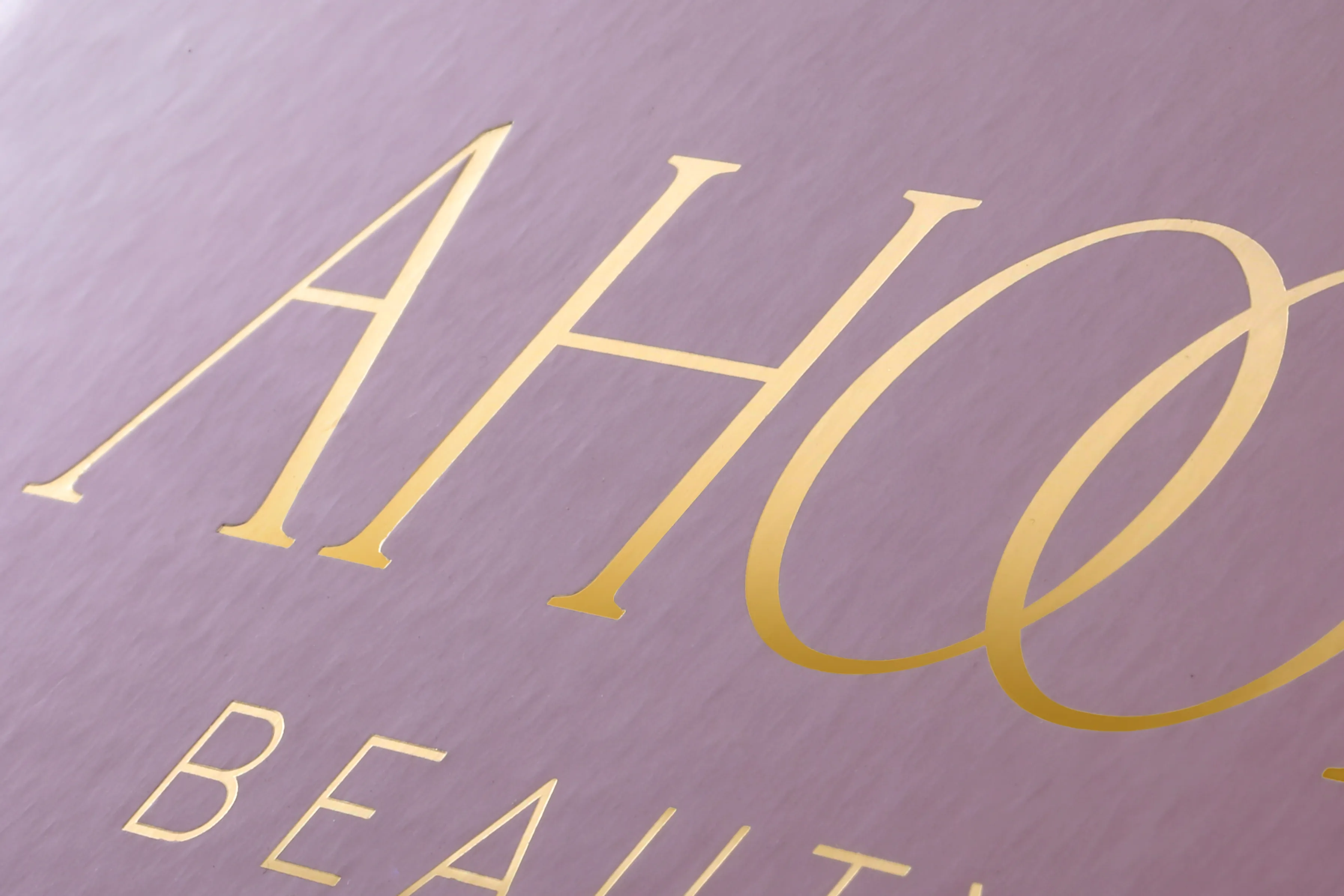
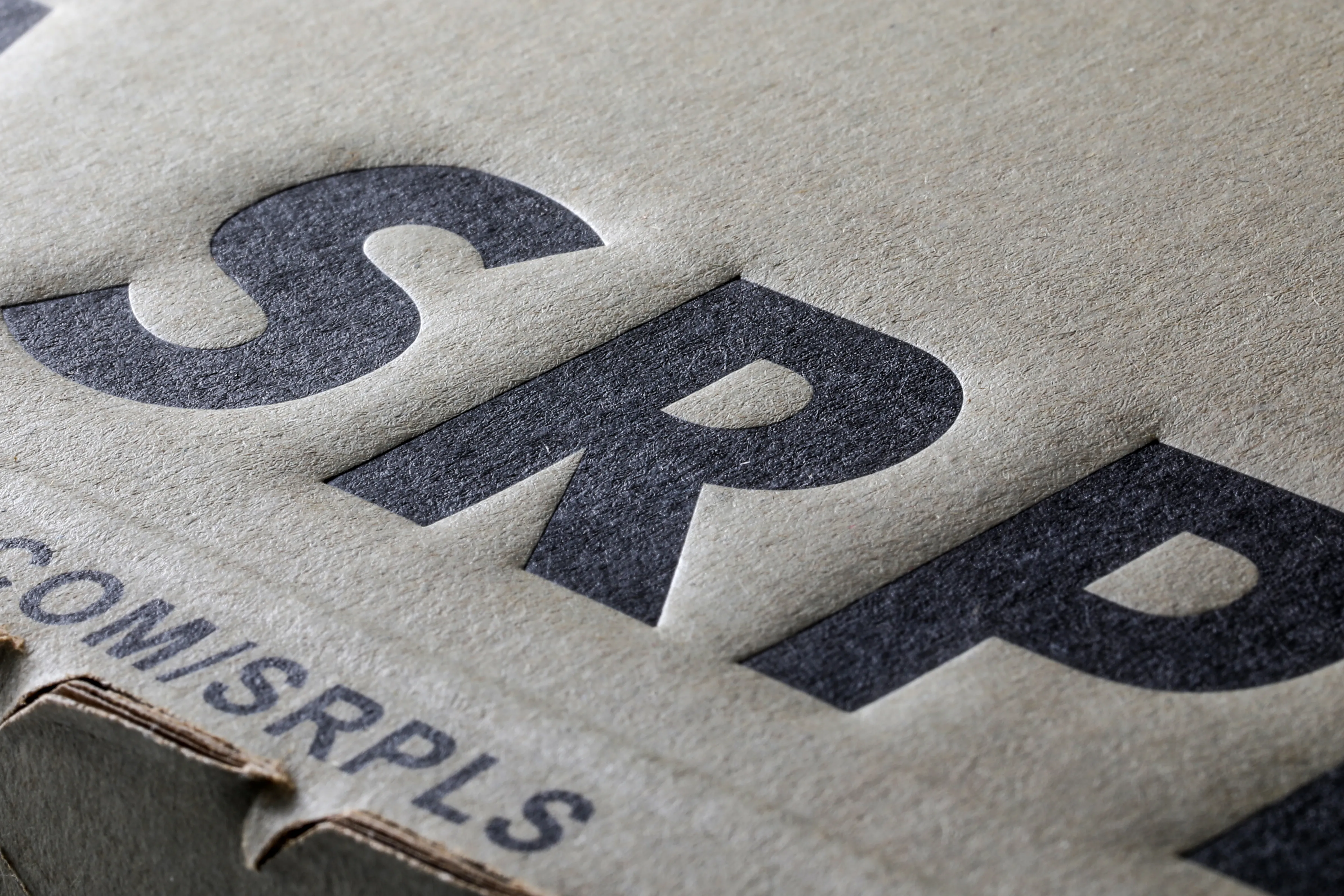
Premium packaging is rarely overloaded with visual effects.
Many successful retail brands intentionally keep layouts clean and use only one or two finishing techniques strategically.
For example, combinations like matte lamination with spot UV or soft-touch coating with foil stamping often create a more refined appearance while keeping production costs manageable.
4. Design With Production Efficiency in Mind
A packaging design that looks impressive on screen may become difficult to manufacture consistently at scale.
This is one of the most common issues brands face when packaging development focuses only on aesthetics.
In real production environments, manufacturers must also consider material sourcing stability, MOQ requirements, printing complexity, assembly efficiency, and shipping dimensions.
Production Factors That Affect Packaging Cost
- Material sourcing consistency
- Minimum order quantities
- Printing complexity
- Assembly time
- Shipping efficiency
- Lead time stability
Even small structural adjustments can significantly affect long-term production costs.
Reducing unnecessary inserts, optimizing box dimensions, or simplifying folds can improve manufacturing efficiency without sacrificing presentation quality.
5. Don’t Ignore Shipping Performance
Modern retail packaging often needs to survive both shelf display and e-commerce transportation.
In China’s logistics environment, products frequently move through warehouse sorting systems, courier networks, and long-distance transportation before reaching customers.
Weak packaging structures can quickly lead to crushed corners, damaged surfaces, poor reviews, and higher return rates.
Balancing presentation with protection is now one of the most important parts of modern retail packaging design.
Wrapping Up
Successful retail packaging in China combines visual storytelling with practical engineering.
The most effective packaging solutions are not simply decorative — they are carefully designed to improve visibility, strengthen customer perception, and protect products throughout the supply chain.
Whether you're developing packaging for e-commerce, retail shelves, or premium gifting, choosing the right structure and production approach early can significantly improve both customer experience and long-term packaging efficiency.
Talk to Our Packaging TeamStep-by-Step: Designing Impactful Retail Packaging in China
China’s retail market moves fast — and packaging is expected to do far more than simply protect a product.
From supermarket shelves to livestream commerce and e-commerce fulfillment, packaging now directly influences visibility, perceived value, and even purchasing decisions.
For brands entering the Chinese market, successful retail packaging must balance presentation, production efficiency, and shipping durability at the same time.
1. Understand Where Your Product Will Be Sold
Before discussing colors, finishes, or materials, the first step is understanding the retail environment itself.
Packaging designed for retail shelves behaves very differently from packaging created for e-commerce or livestream selling.
In China, brands often sell across multiple channels simultaneously, which means packaging must balance visual presentation with transportation performance.
For example, livestream-focused packaging often uses bold contrast, cleaner typography, and finishes that respond well under lighting and cameras.
Meanwhile, retail shelf packaging usually prioritizes structure, color blocking, and visibility from a distance.
2. Choose the Right Packaging Structure
Structural design strongly affects how consumers perceive product quality.
In many retail categories, customers subconsciously associate:
- heavier packaging with higher value
- smoother surfaces with premium quality
- rigid edges with better craftsmanship
This is why material and structure selection matter just as much as graphic design.
Many modern brands now choose E-flute corrugated packaging because it balances lightweight durability with premium print quality.
Common Retail Packaging Structures
3. Prioritize Print Quality and Finishing
In China’s retail market, packaging is often the first physical interaction customers have with a brand.
Small finishing details can dramatically change how packaging looks, feels, and performs on shelves or online.
Premium packaging is rarely overloaded with visual effects.
Many successful retail brands intentionally keep layouts clean and use only one or two finishing techniques strategically.
For example, combinations like matte lamination with spot UV or soft-touch coating with foil stamping often create a more refined appearance while keeping production costs manageable.
4. Design With Production Efficiency in Mind
A packaging design that looks impressive on screen may become difficult to manufacture consistently at scale.
This is one of the most common issues brands face when packaging development focuses only on aesthetics.
In real production environments, manufacturers must also consider material sourcing stability, MOQ requirements, printing complexity, assembly efficiency, and shipping dimensions.
Production Factors That Affect Packaging Cost
- Material sourcing consistency
- Minimum order quantities
- Printing complexity
- Assembly time
- Shipping efficiency
- Lead time stability
Even small structural adjustments can significantly affect long-term production costs.
Reducing unnecessary inserts, optimizing box dimensions, or simplifying folds can improve manufacturing efficiency without sacrificing presentation quality.
5. Don’t Ignore Shipping Performance
Modern retail packaging often needs to survive both shelf display and e-commerce transportation.
In China’s logistics environment, products frequently move through warehouse sorting systems, courier networks, and long-distance transportation before reaching customers.
Weak packaging structures can quickly lead to crushed corners, damaged surfaces, poor reviews, and higher return rates.
Balancing presentation with protection is now one of the most important parts of modern retail packaging design.
Wrapping Up
Successful retail packaging in China combines visual storytelling with practical engineering.
The most effective packaging solutions are not simply decorative — they are carefully designed to improve visibility, strengthen customer perception, and protect products throughout the supply chain.
Whether you're developing packaging for e-commerce, retail shelves, or premium gifting, choosing the right structure and production approach early can significantly improve both customer experience and long-term packaging efficiency.
Talk to Our Packaging Team<< PREV:No more
>> NEXT:From Inspiration to Innovation

Navigation
Home
Products
Resources
About Us
Contact Us
Customize
Paper Box
Paper Bag
Paper Tube
Inserts
Stickers
Copyright © 2025 Shanghai Forests Packaging Group Co., Ltd. All Rights Reserved.